1785998136.jpg)
Cup It Right
Best Coffee Brand in India Tells Which is Better?
Summary
A practical comparison of brass and steel dabara sets and how each affects your filter coffee experience at home, helping every South Indian coffee drinker make a more informed choice about the vessel they brew in daily.
Introduction
Most conversations about filter coffee focus entirely on the blend, the roast, or the chicory ratio. Very few talk about the vessel you pour it into, even though it directly affects how your coffee feels, cools, and tastes in the cup. So which makes better filter coffee at home: a brass dabara set or a steel one?
Brass retains heat longer and subtly affects the drinking temperature, while steel is more durable, low-maintenance, and widely available. If you're already using the best filter coffee brand in India, the dabara set you pair it with is the next decision worth getting right. This blog breaks down both options practically so you can choose with confidence.
Brass vs Steel Dabara Set: Which One Actually Makes Better Filter Coffee?
Brass makes a marginally better case for traditional filter coffee drinking because of its superior heat retention, while steel wins on durability and practicality for everyday use. The right answer depends entirely on what you prioritise in your morning routine.
Both materials work well with a traditional South Indian filter setup. The difference isn't dramatic enough to ruin a good cup, but it's noticeable once you've used both. According to experts in traditional Indian cookware, brass conducts and holds heat more evenly than steel, which means your decoction stays at a drinkable temperature slightly longer when poured into a brass dabara set. Steel, on the other hand, is non-reactive, rust-proof, and far easier to clean and maintain over time.
Why Does the Dabara Set Material Affect Your Filter Coffee Experience?
The material affects your experience because it changes how quickly the coffee cools and how the heat feels against your hands during the traditional pour-and-mix process. These are small differences, but for a daily ritual, they add up.
The classic South Indian method of aerating filter coffee, lifting the tumbler and pouring the decoction back and forth between the dabara and tumbler, works best when both vessels hold heat reasonably well. Brass handles this better, since it doesn't lose temperature as fast as steel during the aeration process.
 (1)1785998136.jpg)
What Are the Practical Advantages of a Steel Dabara Set?
Steel's practical advantages are straightforward: it doesn't tarnish, doesn't require polishing, resists rust completely, and handles rough daily use without degrading. For most households, these factors matter more than marginal heat retention differences.
Brass requires periodic maintenance. It tarnishes over time when exposed to moisture and acidic liquids like coffee, which means it needs regular cleaning with traditional polishing agents to maintain both appearance and hygiene. Steel requires none of this. You wash it, dry it, and it's ready for the next brew.
Coffee professionals suggest that for households where the dabara set is used two to three times daily, steel is the more sensible long-term choice simply because maintenance effort compounds over years. It also means steel sets tend to look consistent longer, since brass can develop uneven tarnish if not cleaned properly and regularly.
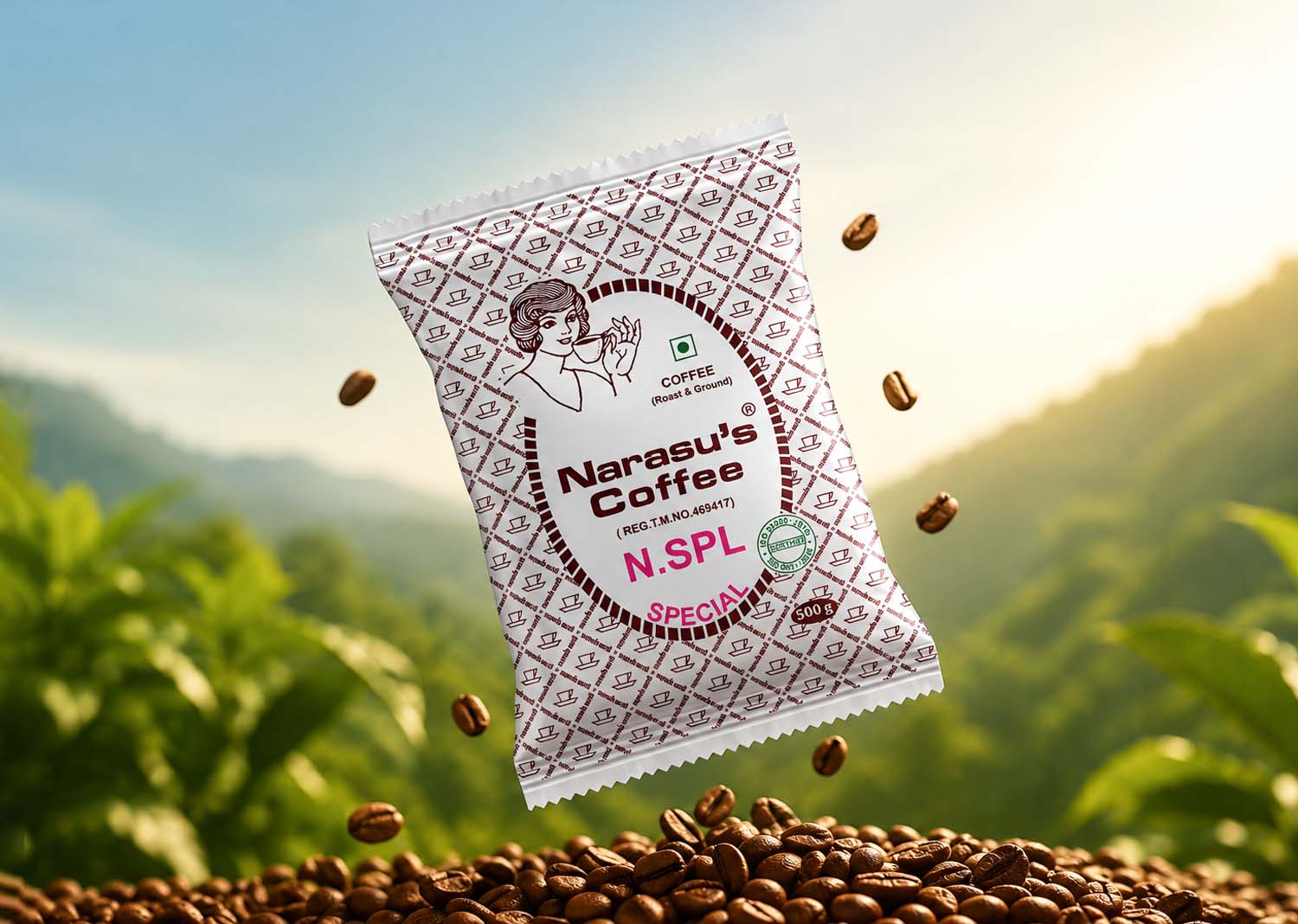
Narasu’s N. Special Filter Coffee tastes better when it is consumed straight out of a steel dabara set.
Does Brass Change the Taste of Filter Coffee?
Brass can slightly affect taste over time if the set isn't maintained well, while a well-maintained brass set has no meaningful impact on flavour. The risk is minimal with regular cleaning but worth understanding before choosing.
Brass is a copper-zinc alloy, and like all copper-based metals, it can react with acidic liquids when the surface isn't properly maintained or sealed. In a well-kept brass dabara set, this reaction is negligible. But in a poorly maintained or heavily tarnished set, some users report a faint metallic edge in the coffee, particularly when the decoction is left sitting in the vessel for too long.
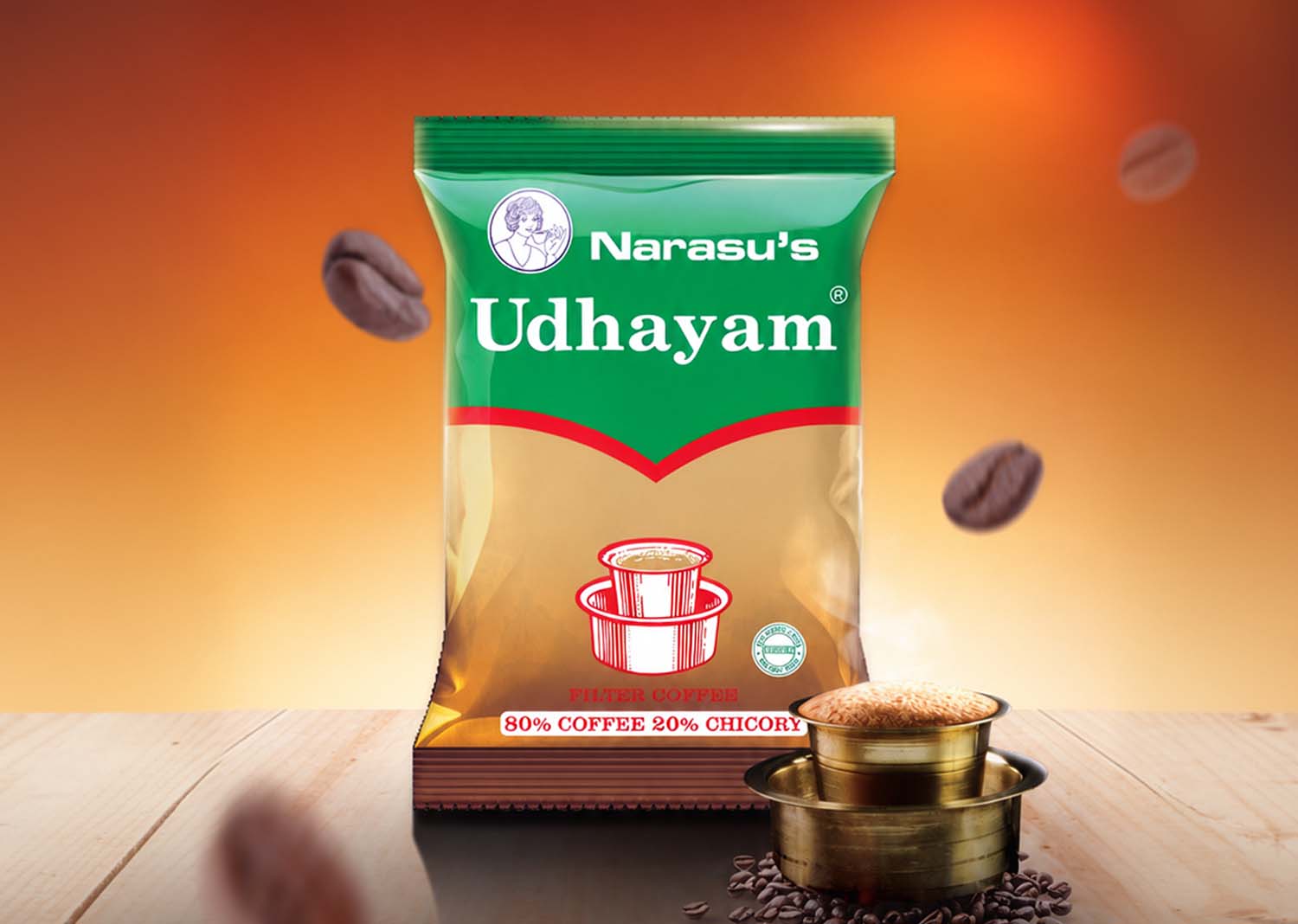
Steel is entirely non-reactive, which is why it remains the more consistent choice for taste neutrality. When you're using a carefully blended filter coffee like Narasu's Udhayam, you want the vessel to be a neutral carrier, not something that introduces variables into a blend that's already been calibrated for a specific taste. A non-reactive steel set ensures the coffee tastes exactly the way it was meant to.
Conclusion
Choosing between brass and steel comes down to what you value more in your daily filter coffee routine. Brass offers better heat retention and a traditional aesthetic, but demands consistent maintenance to stay hygienic and taste-neutral. Steel is practical, durable, and completely non-reactive, making it the more reliable everyday choice for most households.
The best filter coffee brand in India gives you a blend worth drinking carefully, and both a brass and steel dabara set can serve that purpose well when used and maintained correctly. Find the cup that suits you and order your next pack directly from Narasu's official store today.
FAQs
Q1. Is a brass dabara set better than steel for traditional South Indian filter coffee?
Brass retains heat longer and suits the traditional pour-and-aerate method well, but requires regular maintenance to stay hygienic. Steel is more practical for daily use and is completely non-reactive, making it a safer, low-maintenance choice for most households.
Q2. Does the dabara set material change how filter coffee tastes?
A well-maintained brass set has minimal impact on taste. A poorly maintained one can introduce a faint metallic edge. Steel is entirely taste-neutral, making it the more consistent option if you want your coffee to taste exactly as the blend intends.
Q3. How do I maintain a brass dabara set properly?
Clean it regularly with a paste of tamarind or lemon and salt to remove tarnish, rinse thoroughly, and dry completely before storage. Avoid leaving coffee or liquids sitting in it for extended periods to prevent surface reactions.
Q4. Can I use both brass and steel dabara sets with any filter coffee brand?
Yes, both work with any South Indian filter coffee setup. The vessel doesn't change the brewing process, only the temperature retention and drinking experience after the decoction is poured.
1771819270.jpg)
1771822569.jpg)