1771819270.jpg)
A Story in Every Cup
The History of Coffee in India
Summary
From Baba Budan’s first beans to the slow-dripped filter coffee in South Indian homes, this blog explores how tradition shaped India’s most iconic coffee culture—and why it still matters today.
Introduction
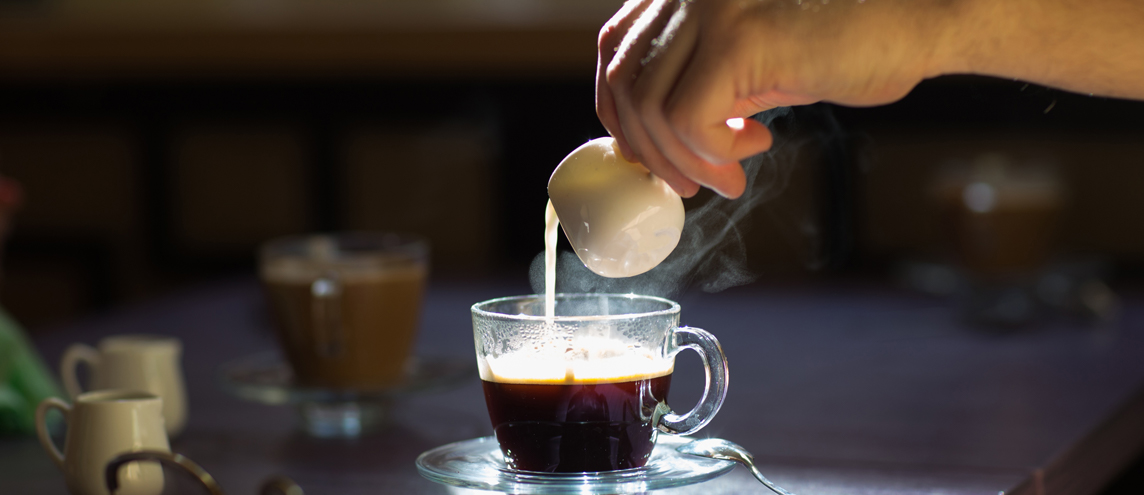
The aroma reaches you before the cup does. Deep, earthy, with that unmistakable hint of chicory. Somewhere in the house, a filter drips slowly. Milk is heating. Steel tumblers are waiting.
If you grew up in South India, you know this moment.
While much of India wakes up to chai, South India has long turned to coffee—and not just any coffee. This is a ritual, a rhythm, a way of life shaped by centuries of habit and heritage. From plantation hills to family kitchens, coffee here tells a story that’s deeply personal.
In this journey, we’ll trace how coffee came to India, why South India embraced it so fiercely, and what truly makes the Best Coffe Brand in South India stand apart. Ready to follow the trail from bean to brass tumbler?
How Coffee First Came to India
Legend says it began with seven beans.
In the 17th century, Baba Budan, a Sufi saint, is believed to have smuggled seven coffee beans from Yemen to the hills of Chikkamagaluru in Karnataka. Those humble beans took root in Indian soil, and quietly changed history.
The climate of South India did the rest.
Rich red soil. Gentle rainfall. Shaded plantations. The Western Ghats offered the perfect environment for coffee plants to thrive naturally.
Unlike mass farming elsewhere, coffee here grew slowly. Carefully. Almost lovingly. Families passed down knowledge about harvesting, drying, and roasting. Coffee wasn’t rushed. It was respected.
This slow, thoughtful approach laid the foundation for what we now recognize as authentic South Indian coffee, balanced, bold, and deeply aromatic. It also set the stage for heritage brands like Narasu's Coffee, which would later preserve these traditions for generations.
Why South India Chose Coffee Over Tea
Geography played its part, but culture sealed the deal.
South India’s proximity to coffee-growing regions meant fresher beans, easier access, and deeper familiarity. Over time, coffee found its way from plantations into everyday homes.
But there was more to it than availability.
Coffee suited the South Indian palate. The addition of chicory brought body and bitterness that paired beautifully with milk. The result? A strong yet smooth drink that energized without overwhelming.
Morning coffee became sacred.
An offering to guests.
A conversation starter.
A comfort after meals.
This everyday intimacy with coffee is why the Best Coffe Brand in South India isn’t just about taste—it’s about trust. Brands had to deliver consistency, cup after cup, year after year.
That’s where traditional roasters earned loyalty by doing one thing right: never changing what worked.
The Filter Coffee Difference: Technique Matters
South Indian coffee isn’t brewed. It’s extracted.
The traditional metal filter works slowly, allowing hot water to pass through finely ground coffee powder and chicory. What you get is a thick, concentrated decoction—rich in aroma and depth.
This method demands quality ingredients.
Too coarse, and the water rushes through.
Too fine, and the coffee turns bitter.
That’s why blends matter.
This is where Narasu’s Filter Coffee shines. Its time-tested 80:20 coffee-to-chicory ratio delivers that perfect balance—strong, smooth, and unmistakably traditional. Every batch reflects decades of refinement, not shortcuts.
1771819270.jpg)
Chicory: The Unsung Hero of South Indian Coffee
Mention chicory outside South India, and you’ll often get puzzled looks. Here, it’s essential.
Chicory adds body.
It enhances aroma.
It gives filter coffee its signature froth and lingering finish.
When blended correctly, chicory doesn’t overpower coffee—it elevates it.
Heritage brands understood this early on. Instead of treating chicory as a filler, they mastered its proportion. Narasu’s Classic Blend, for instance, uses chicory the way it was always meant to be used: to complement, not compete.
That’s why the coffee you sip today tastes just like it did at your grandmother’s house. Familiar. Comforting. Reliable.
Experience the authentic taste generations have loved. Try Narasu’s Premium Blend Coffee and bring home a ritual that never goes out of style.
Nearly 100 Years of Craftsmanship in Every Cup
Since 1926, Narasu’s Coffee has done something rare in the modern world, it has stayed true.
Roasting techniques refined over decades.
Sourcing guided by relationships, not trends.
Grinding calibrated for traditional filters, not machines.
This commitment to craftsmanship is why Narasu’s is often spoken of as the Best Coffe Brand in South India. Not because it says so—but because families do.
The brand hasn’t chased fads. It has honored routines. Morning after morning. Generation after generation.
In a time when convenience often replaces care, that dedication feels even more meaningful.
Conclusion
South India drinks coffee differently because it lives coffee differently.
Here, coffee is memory.
It’s routine.
It’s hospitality in a tumbler.
From Baba Budan’s first beans to the slow drip of a home filter, this culture has always valued patience, balance, and authenticity. And that’s exactly what defines the Best Coffe Brand in South India.
Don’t just read about tradition—taste it.
Order Narasu’s Filter Coffee today and bring nearly 100 years of South Indian heritage into your home. The legacy is waiting.
FAQ Section
Q1: Why is South Indian filter coffee so strong?
A1: Strength comes from the decoction method and fine coffee powder. Blends like Narasu’s Premium Filter Coffee are crafted specifically for slow extraction, giving you bold flavor without bitterness.
Q2: What role does chicory play in filter coffee?
A2: Chicory adds body, aroma, and froth. When balanced well—as in Narasu’s traditional blends, it enhances the coffee rather than overpowering it.
Q3: Which coffee is best for traditional South Indian filters?
A3: Coffee powders designed for metal filters work best. Narasu’s Classic Blend is ground and blended specifically for this method, ensuring perfect extraction.
Q4: Is Narasu’s coffee suitable for daily consumption?
A4: Absolutely. Narasu’s everyday blends are designed for consistency, making them ideal for daily morning rituals.
1771822569.jpg)