1771822569.jpg)
Taste the Legacy
What Makes This Coffee Iconic?
Summary
A storytelling-led exploration of Narasu’s Coffee legacy and South India’s filter coffee culture, covering its origins, brewing traditions, chicory blends, and why Narasu’s remains a trusted name since 1926.
Introduction
The day begins before the sun rises. A steel filter rests on the kitchen counter. Hot water is poured slowly over fresh coffee powder. Somewhere, milk is simmering. The aroma; rich, earthy, unmistakably comforting, fills the house.
If you’ve grown up in South India, you know this moment by heart.
Filter coffee here isn’t just a beverage. It’s a ritual passed down through generations. It’s why many still believe that the Best Filter Coffee in India doesn’t come from machines or cafés, but from traditions shaped at home.
But where did this deep-rooted coffee culture begin? And how did a brand like Narasu’s Coffee, founded in 1926, become part of so many morning routines? Let’s trace the story, from legacy to living tradition.
A Land That Let Coffee Take Root
Coffee arrived in India centuries ago, but it truly found its home in South India. The climate of the Western Ghats, cool hills, gentle rainfall, shaded plantations, was perfect for growing coffee slowly and naturally.
Unlike faster commercial farming elsewhere, coffee here was nurtured. Beans were handpicked, sun-dried, and roasted in small batches. Families learned the craft over decades, refining it with patience.
This slow-growing culture shaped what we now recognize as South Indian coffee, bold, balanced, and deeply aromatic. It wasn’t about chasing trends. It was about consistency and care.
This foundation is what later allowed heritage brands like Narasu's Coffee to preserve authenticity instead of reinventing it.
Why Filter Coffee Became a South Indian Ritual
South India didn’t just adopt coffee, it adapted it.
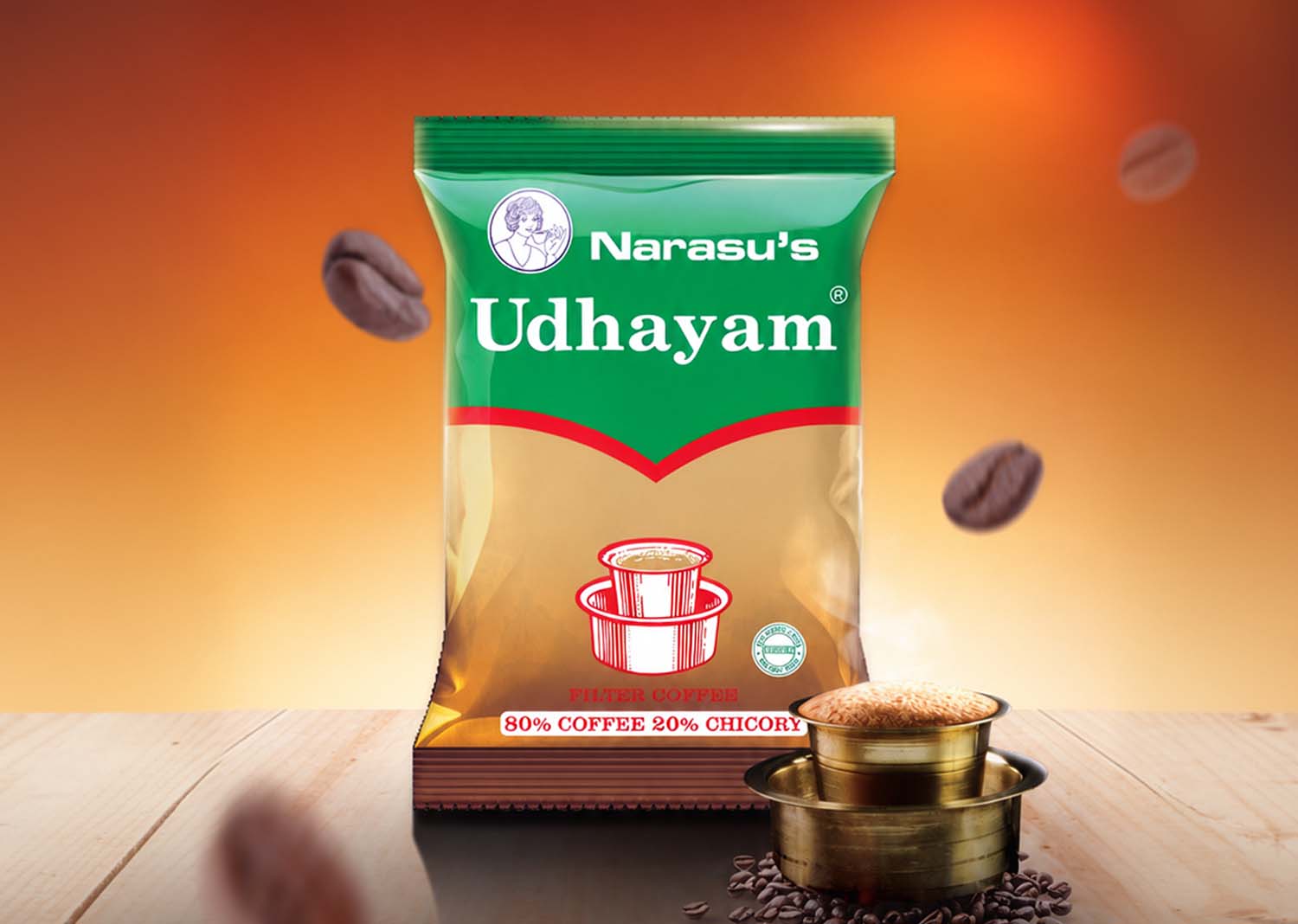
The traditional metal filter became central to the experience. Unlike instant or brewed coffee, filter coffee relies on slow extraction. Hot water passes gently through finely ground coffee and chicory, creating a thick decoction.
This method does three things:
- Preserves aroma
- Enhances strength without bitterness
- Creates a fuller body when mixed with milk
That’s why the Best Filter Coffee in India is always about the blend, not just the bean.
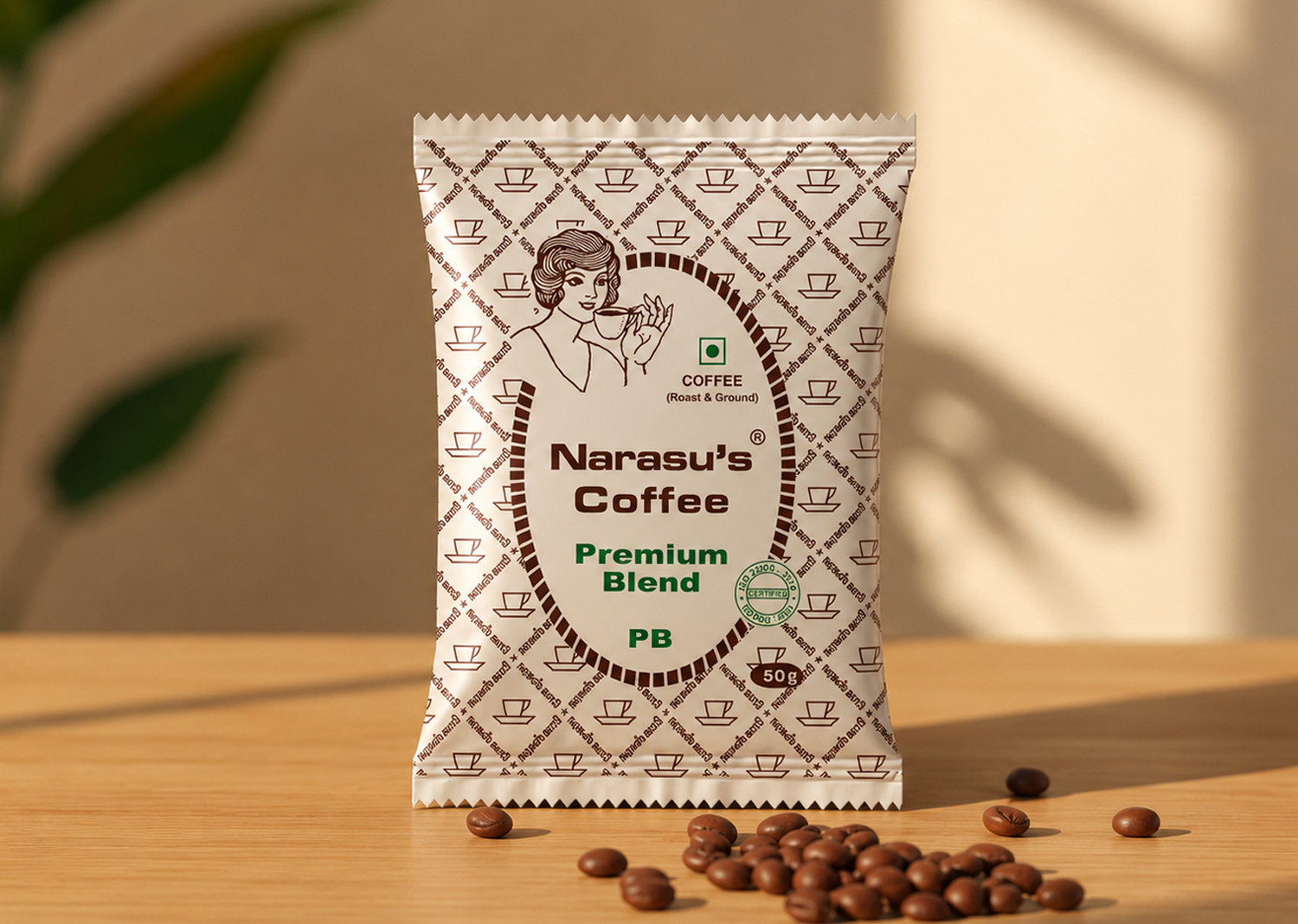
This is where Narasu’s Traditional Filter Coffee fits naturally into the story. Its blend respects the original proportions perfected over generations, making it ideal for slow dripping and rich decoction, exactly how filter coffee was meant to be enjoyed.
Discover why Narasu’s has been South India’s trusted choice for nearly a century, explore our traditional blends.
The Chicory Secret That Makes All the Difference
Chicory often gets misunderstood. In South India, it’s not an addition—it’s an art.
Used correctly, chicory adds:
- Depth and body
- A lingering finish
- That familiar froth when coffee is poured between tumblers
The key lies in balance. Too much, and it overpowers. Too little, and the coffee feels thin.
1771822569.jpg)
From 1926 to Today: A Legacy That Never Cut Corners
In nearly 100 years, the world changed. Coffee trends came and went. But Narasu’s Coffee stayed rooted in its purpose.
Roasting techniques evolved, but never rushed.
Grinding remained calibrated for traditional filters, not machines.
Quality checks stayed uncompromising.
This dedication is why Narasu’s Premium blend Filter Coffee stands out when taste matters most. The beans are sourced carefully, roasted evenly, and ground to bring out natural oils and aroma, resulting in a bold yet smooth cup.
Experience the authentic taste generations have loved. Try Narasu’s Premium Filter Coffee today.
Tradition, here, isn’t nostalgia. It’s craftsmanship repeated daily.
Why Narasu’s Is Still the Best Filter Coffee in India
Ask someone why they trust Narasu’s, and the answer is rarely technical. It’s emotional.
“It tastes like home.”
“It hasn’t changed.”
“My parents drank this.”
The Best Filter Coffee in India earns its place not through advertising, but through repetition, morning after morning, cup after cup.
Narasu’s remains relevant because it understands one simple truth: filter coffee isn’t about novelty. It’s about reliability. And that reliability comes from honoring methods that worked long before coffee became fashionable.
In today’s fast-paced world, that commitment feels rare, and reassuring.
Conclusion
South Indian filter coffee is more than a drink. It’s memory, routine, and comfort poured into a tumbler.
Narasu’s Coffee carries that legacy forward, staying true to traditional methods while remaining part of modern homes. From carefully sourced beans to perfected chicory blends, every pack reflects decades of quiet craftsmanship.
If you’re looking for the Best Filter Coffee in India, you’re not just choosing taste. You’re choosing trust built over generations.
Don’t just read about tradition, taste it. Order Narasu’s filter coffee today and enjoy up to 20% off. Bring home a legacy that still wakes South India every morning.
FAQ Section
Q1: What makes South Indian filter coffee different?
A1: It’s the slow extraction method and the coffee–chicory blend. Products like Narasu’s Traditional Filter Coffee are crafted specifically for metal filters, ensuring rich decoction and balanced strength.
Q2: Is chicory necessary in filter coffee?
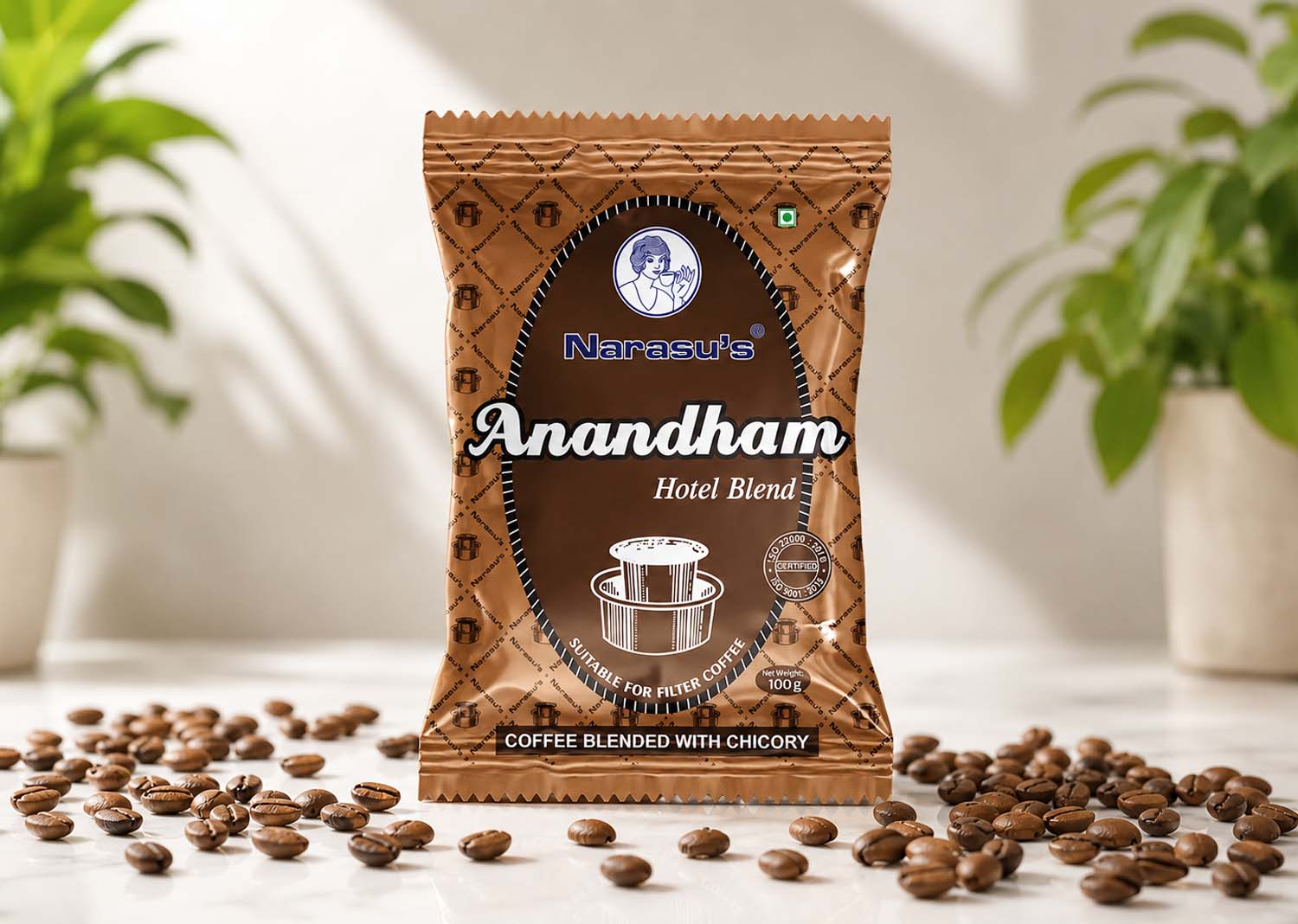
A2: Yes, when used correctly. Chicory adds body and aroma. Narasu’s Classic Blend uses a perfected ratio that enhances flavor without overpowering the coffee.
Q3: Which Narasu’s coffee is best for daily use?
A3: Narasu’s Classic Filter Coffee is ideal for everyday consumption, offering consistent taste and smooth strength suited for morning rituals.
Q4: Can beginners enjoy filter coffee?
A4: Absolutely. Starting with Narasu’s Premium Filter Coffee makes it easy to experience authentic flavor without bitterness.

1771819270.jpg)