
Taste the Century.
What Makes a Coffee Brand Timeless in South India
Summary
Heritage in coffee is not just about history. It is about every decision made in sourcing, roasting and blending that produces a cup worth trusting every single morning. This blog explores what Narasu's century-long legacy actually means for the coffee in your cup.
Introduction
What does heritage actually mean when it comes to coffee? It is not a logo or a founding year printed on a pack. It is the accumulated knowledge of nearly a century of sourcing, roasting, blending, and refining a product until every cup tastes exactly the way it should. The best coffee brand in South India earns that title not through marketing but through the consistency of what ends up in your cup every single morning.
In this blog you will understand what genuine coffee heritage looks like in practice, why it matters more than most coffee drinkers realise, and how nearly a hundred years of craft has shaped every product that carries the Narasu's name.
What Does Heritage Actually Mean for a Coffee Brand?
Heritage in any food or beverage brand is often used loosely. Companies describe themselves as traditional or time-tested without explaining what that actually means for the product in your hand. For a coffee brand, heritage has a very specific meaning. It means that the knowledge of how to source the right beans, roast them to the right profile, blend them at the right ratio, and grind them to the right size has been developed, tested, and refined over decades of real production.
This kind of knowledge cannot be acquired quickly. It comes from years of observing how beans from different regions behave differently in the roaster, how changes in humidity affect the grind, and how subtle shifts in the chicory ratio change the character of the decoction in the cup.
The best coffee brand in South India has been accumulating exactly this kind of operational knowledge since 1926. Every batch that Narasu's produces today is informed by nearly a century of decisions, corrections, and refinements that no newer brand can replicate simply by investing in better equipment.
According to food industry experts, institutional knowledge in traditional food manufacturing is one of the most undervalued assets in the industry. It is also one of the hardest to build and the easiest to lose.
Why Does Consistency Across Decades Matter More Than You Think?
Most coffee drinkers take consistency for granted. They open a new pack, brew their morning cup, and expect it to taste the same as the last one. When it does, they do not think much about it. When it does not, they notice immediately.
Delivering that consistency across every batch, every season, and every year requires a level of process discipline that goes far beyond having a good recipe. The beans change with every harvest. The weather during the growing season affects the density and moisture content of the crop. The chicory supply varies in quality from one supplier to another. Managing all of these variables while producing a cup that tastes identical to the one from five years ago is the real test of a heritage brand.
The best coffee brand in South India has built systems over nearly a century to manage exactly these variables. From the stage at which beans are assessed for quality before purchase to the temperature protocols in the roaster to the moisture testing of the final ground powder, every step is controlled with the same discipline that was established decades ago.
Studies in food quality management consistently show that brands with longer operational histories have significantly lower batch-to-batch variation than newer entrants. The reason is simple. They have encountered more problems and developed more solutions.
How Does Heritage Shape the Products You Actually Drink?
The most direct way to understand Narasu's heritage is to look at what it has produced in terms of actual products and the thinking behind each one.
The decision to offer different chicory ratios across the product range is itself a heritage-driven choice. South Indian coffee culture has always had regional and personal preferences for the strength and body of the decoction. Some households prefer a lighter, more aromatic cup. Others want maximum boldness. A brand with genuine heritage understands these preferences because it has been serving the same communities for generations.
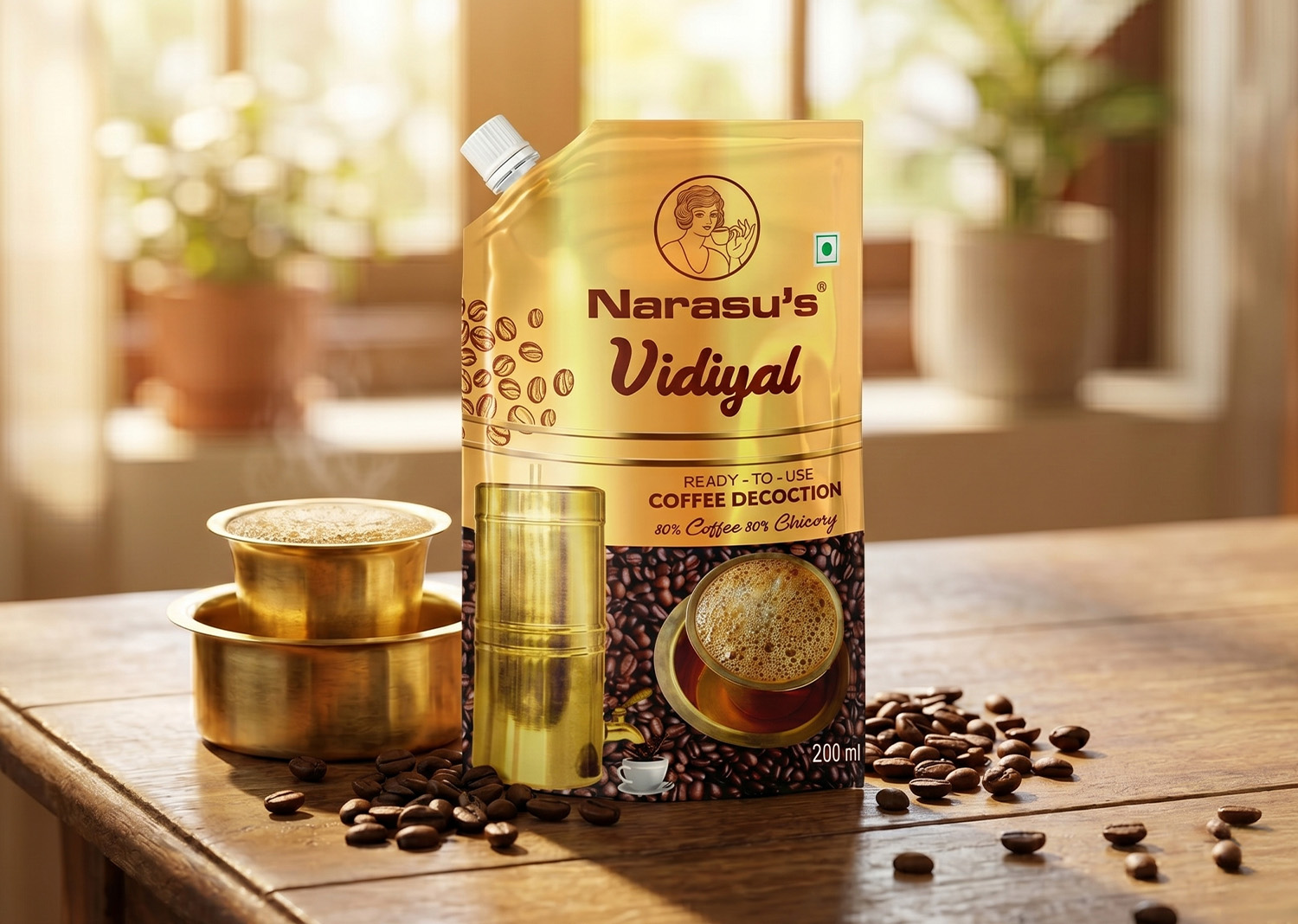
Narasu's Vidiyal filter coffee decoction, built around an 80:20 coffee-to-chicory ratio, reflects the most traditional South Indian preference. It delivers the classic, full-bodied cup that most South Indian households grew up with, now available in a ready-to-use format that removes the brewing effort without changing the taste.
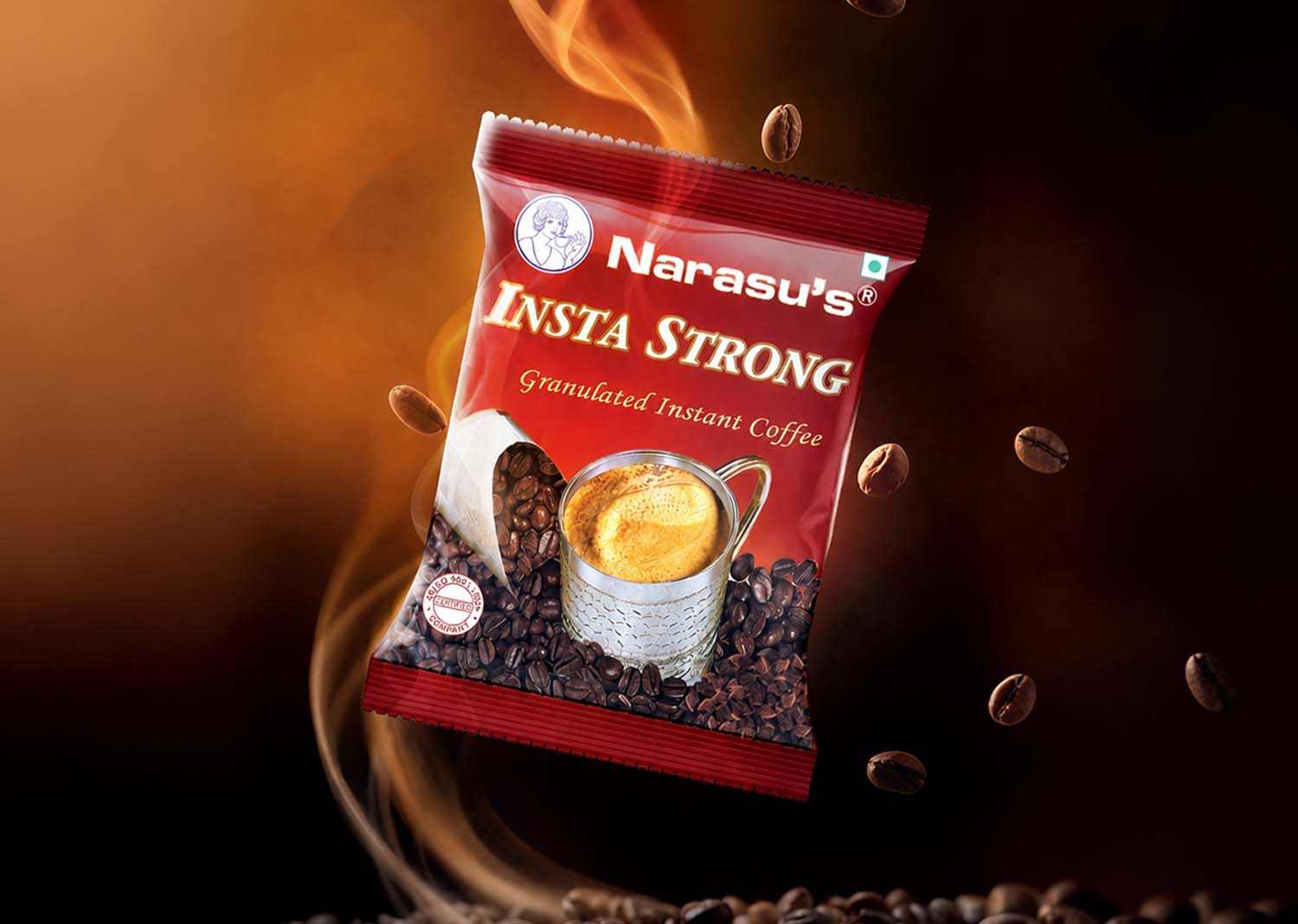
For those who want a noticeably bolder cup, Narasu's Insta Strong instant coffee powder follows a 70:30 ratio. It is designed for drinkers who want South Indian intensity with the convenience of instant preparation, without compromising on the character that defines the category.
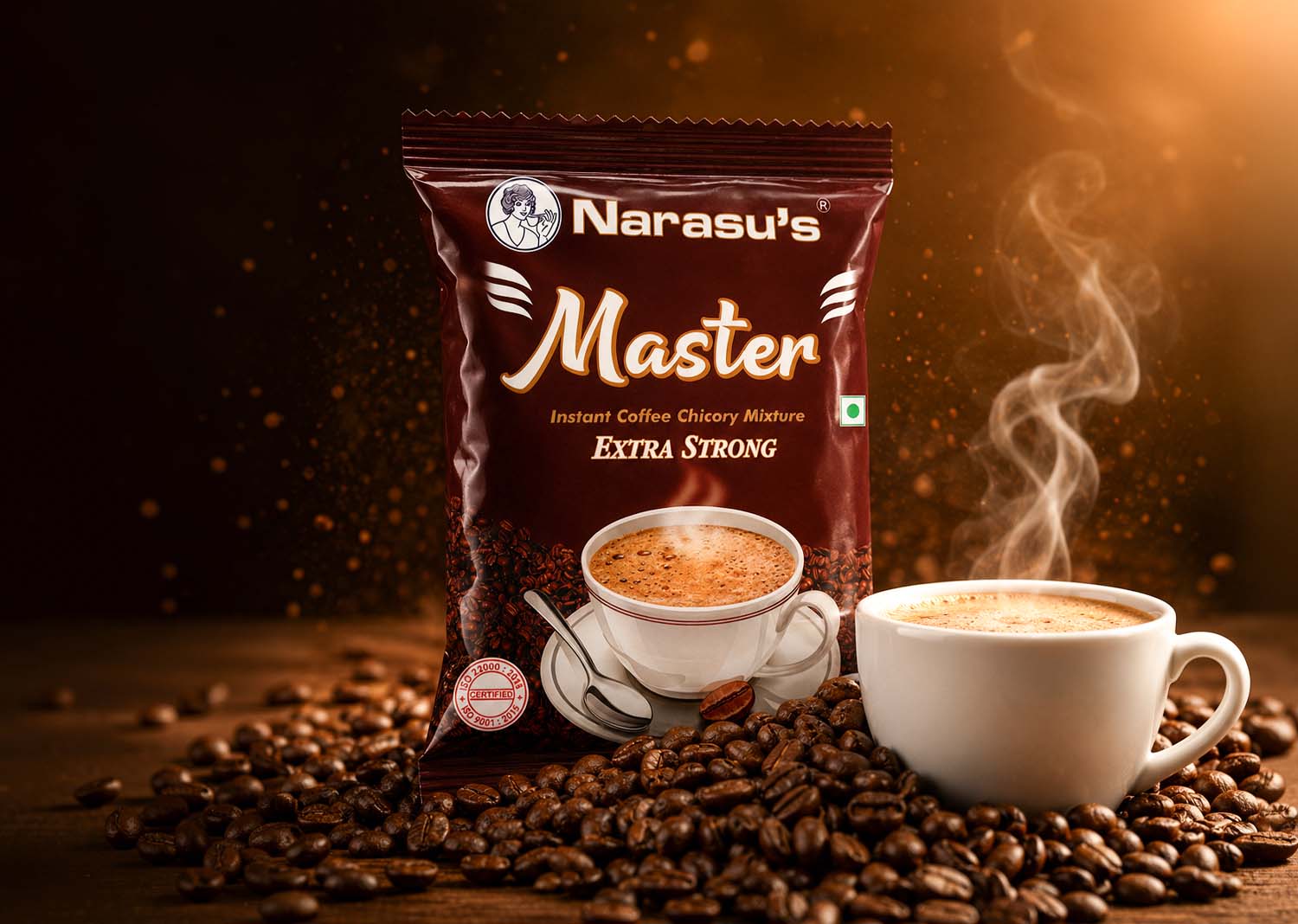
For the strongest possible expression of South Indian coffee, Narasu's Master Extra Strong operates at a 57:43 ratio. This blend is built for drinkers who want the maximum concentration of chicory and coffee without losing the essential balance that makes the cup drinkable. The best coffee brand in South India has developed each of these options not arbitrarily but in direct response to decades of understanding what South Indian coffee drinkers actually want.

Why Heritage Brands Handle Change Differently Than Newer Ones?
One of the most interesting things about heritage brands is how they approach change. Newer brands often chase trends because they need to differentiate themselves in a crowded market. Heritage brands, by contrast, have the confidence that comes from a proven product and a loyal customer base. They change when there is a genuine reason to, not because a trend demands it.
For Narasu's, this has meant introducing formats like instant coffee powder and ready-to-use decoction not to follow a trend but to serve a real and growing consumer need for convenience without compromising on the taste that their customers already trusted.
You can read more about what specifically makes Narasu's approach to coffee so distinctive in our blog on What Makes Narasu's the Best?, which goes into the specific decisions and philosophies that have shaped the brand over nearly a century.
This kind of measured, purposeful evolution is only possible for a brand that has a clear identity rooted in genuine heritage. Without that foundation, every product decision becomes a gamble. With it, every decision is informed by a deep understanding of what the customer actually values.
According to brand heritage researchers, consumers consistently rate heritage brands higher on trust, quality perception, and purchase intention than newer alternatives, even when the newer brands offer comparable or lower prices.
What Can Modern Coffee Drinkers Learn from a Century Old Brand?
There is a tendency among modern coffee drinkers, particularly younger ones, to associate quality with novelty. Single-origin beans, cold brew, pour-over methods, and specialty roasters have created an impression that better coffee is always newer coffee.
The reality is more nuanced. Heritage coffee brands have been doing many of the things that specialty coffee celebrates, sourcing carefully, roasting precisely, and blending thoughtfully, for decades before these practices became fashionable. The difference is that heritage brands did it quietly, consistently, and at scale, without the vocabulary of the specialty coffee movement to describe what they were doing.
The best coffee brand in South India has been selecting beans with the same care that a specialty roaster applies today, but for nearly a hundred years and for millions of cups rather than a handful of artisanal batches. The lesson for modern coffee drinkers is that heritage and quality are not opposites. In many cases, they are the same thing described differently.
For a deeper look at the sensory dimensions of what makes Narasu's coffee taste the way it does, our blog on Why Narasu's Coffee Tastes So Good explores the specific factors that contribute to the flavour and consistency that generations of South Indian coffee drinkers have come to rely on.
Conclusion
Heritage in coffee is not a story to be told. It is a standard to be maintained, a discipline to be practised, and a promise to be kept with every single batch. For the best coffee brand in South India, that promise has been kept since 1926 through sourcing discipline, roasting precision, and a genuine understanding of what South Indian coffee drinkers value in their cup.
Whether you choose the classic 80:20 decoction, the bold 70:30 instant coffee powder, or the intensely strong 57:43 blend, every Narasu's product carries the weight of nearly a century of craft behind it. That is what heritage actually means when it ends up in your cup.
Bring home a cup that carries a century of craft. Order Narasu's today and taste what genuine coffee heritage feels like in every single sip.
FAQ Section
Q1. What makes a coffee brand a heritage brand?
A heritage brand is one that has maintained consistent quality, process discipline, and product integrity over multiple decades. It is defined not by age alone but by the accumulated knowledge and operational systems that produce a reliably consistent product year after year across every batch.
Q2. Why does Narasu's coffee taste the same every time?
Narasu's maintains consistency through standardised bean sourcing, controlled roasting protocols, precise chicory blending, and strict quality assessment at every stage of production. Nearly a century of refining these processes has produced a system that delivers the same cup regardless of the season or the batch.
Q3. What is the difference between Narasu's product blends?
Narasu's offers blends across different chicory ratios to serve different taste preferences. The 80:20 ratio delivers the classic South Indian cup. The 70:30 ratio provides more intensity. The 57:43 ratio is the strongest option for those who want maximum boldness without losing the essential coffee character.
Q4. Can a newer coffee brand match the quality of a heritage brand?
A newer brand can match the recipe but rarely the institutional knowledge that comes from decades of production. The ability to manage seasonal variations in bean quality, maintain roasting consistency across thousands of batches, and understand the nuanced preferences of a loyal customer base takes years to develop and cannot be shortcut.

1771819270.jpg)
1771822569.jpg)